
How to File a Stanislaus County Public Records Request
County agencies respond to records requests under the California Public Records Act, often shortened to CPRA. The law covers writings held by state and local agencies and sets the public's right to inspect or copy them. The county provides a request form, and a clear, specific request gets the fastest response.
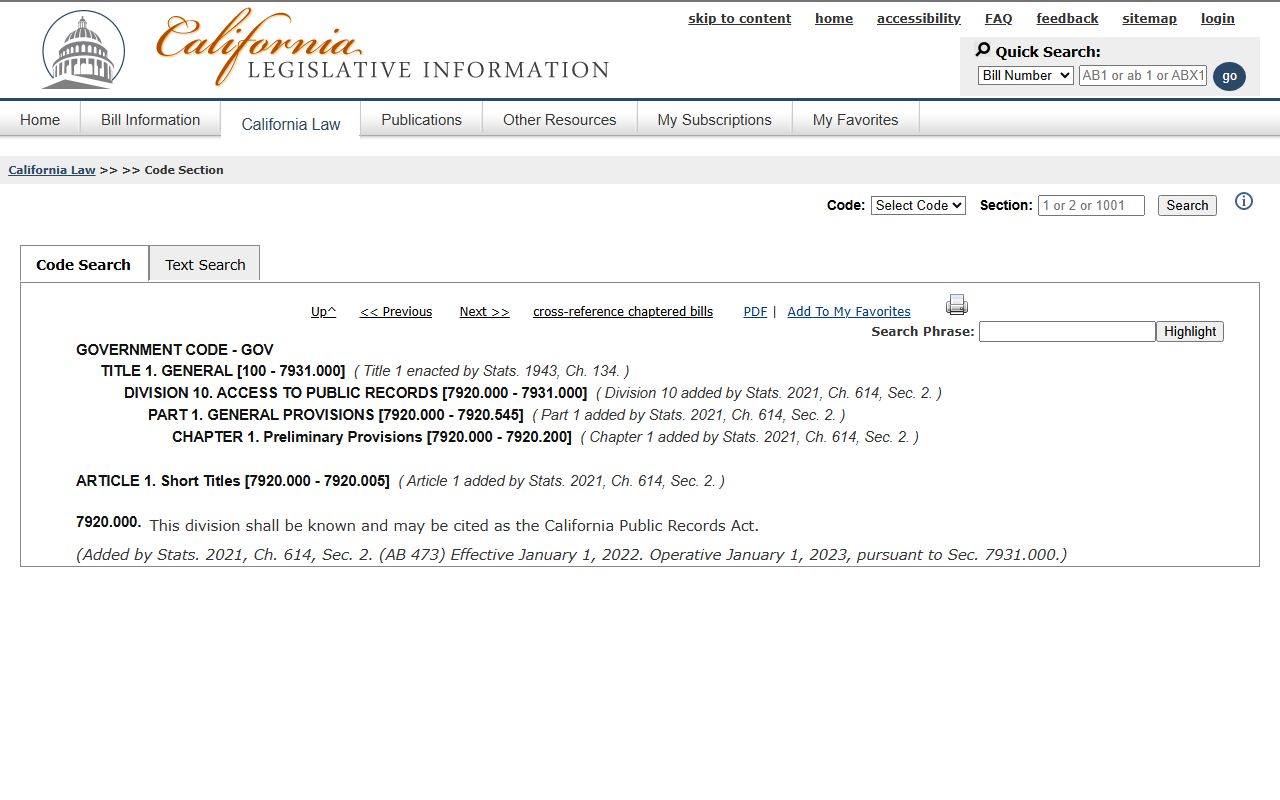
The California Public Records Act is the modern codification of the state's public-access policy.
Use these steps to file a request with the county.
- Identify the county department that holds the records you want.
- Complete the county public records request form, describing the records clearly.
- State whether you want to inspect the records or get copies.
- Submit the request to the department and keep a copy for your file.
- Wait for the agency's response, then pay any copy fee before you receive documents.
The clearer your request, the faster the answer. Vague asks for everything a department holds slow things down and can draw a request for clarification. Name the kind of record, the rough date range, and the people or topic involved. A focused request is easier for staff to fill, and it lowers your copy cost because you receive only what you need.
The California Public Records Act Framework
The CPRA starts from a simple idea: government writings are open to the public unless a specific exemption applies. That openness is the rule, and exemptions are the exception. The modern law replaced older section numbers, so some county forms still cite the prior numbering even though the policy carries forward.
One key provision is the public-interest balancing test, which lets an agency withhold a record only when the public interest in keeping it private clearly outweighs the interest in disclosure.
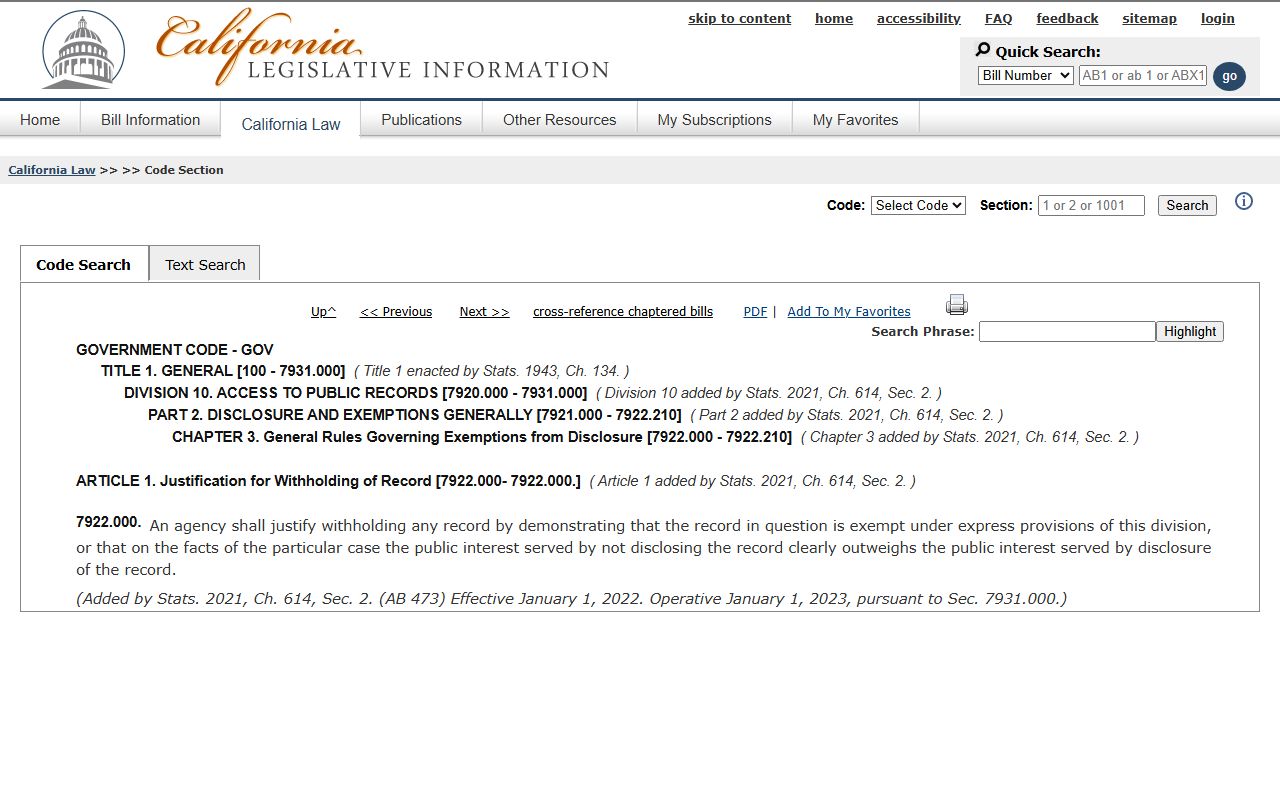
That test is fact-specific and should be applied narrowly, so a vague claim of privacy is not enough to deny a record.
The CPRA covers a wide range of county bodies, from the Sheriff to the Assessor to general county departments. It does not, however, reach into court case files, which is the most common point of confusion. Newer transparency laws have also opened specified police records that were once harder to obtain, though active investigations still carry protection. When in doubt about whether a record is reachable, ask the department, since it must point you in the right direction.
Court Records vs. County Public Records
This is the split that confuses people most. A CPRA request to the county will not pull a court case file, and a request to the court clerk will not pull a county record like a deed. Court records follow the California Rules of Court, not the CPRA.
The rules even govern how a court seals a record and how someone asks to unseal one.
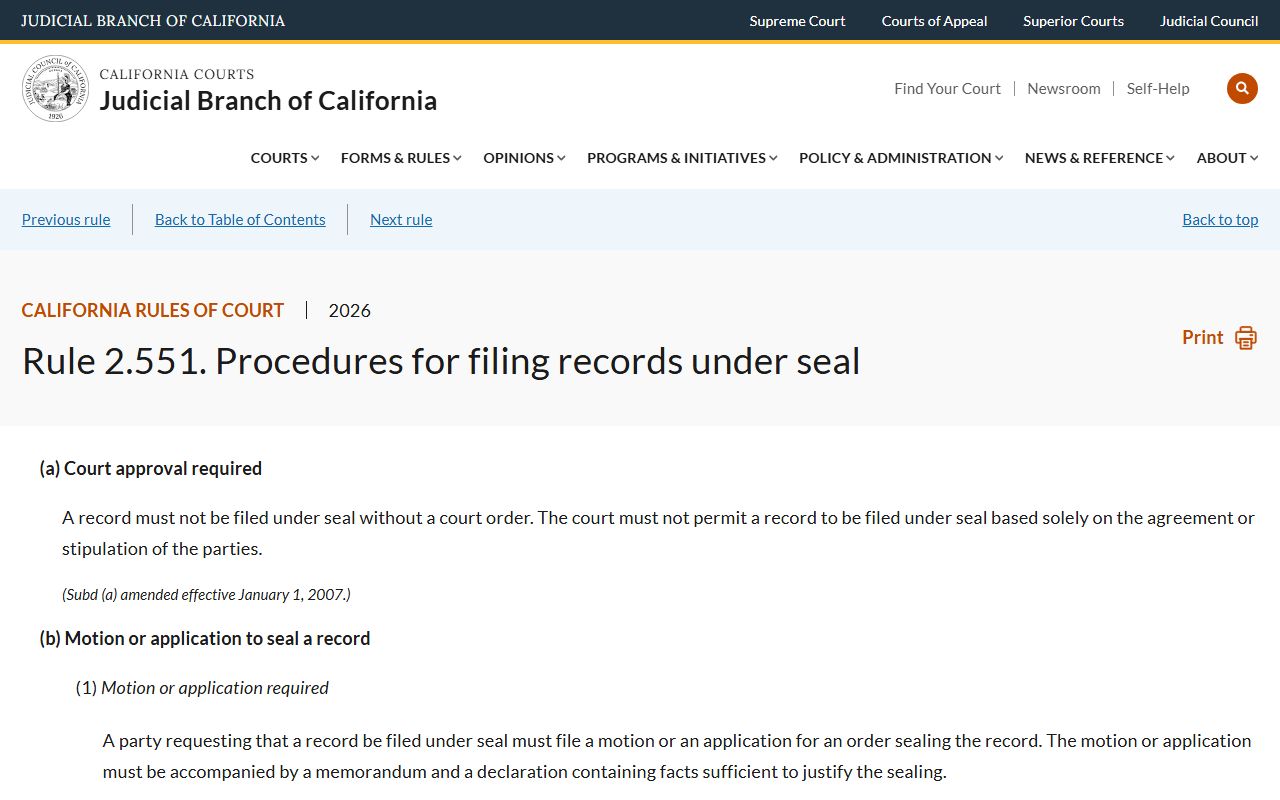
So for a court case, use the court records path. For a county agency record, use the CPRA request described here. Sending each to the right office saves real time. A simple test helps: if you want a deed, a permit, an inspection report, or an assessor record, that is a county CPRA request. If you want a complaint, a docket, a judgment, or a minute order, that is a court record request to the Superior Court clerk.
Records the County Clerk-Recorder Maintains
The Clerk-Recorder keeps the county's official recorded documents and many vital records. These are public records, though vital records have their own authorized-copy rules. The office holds far more than most people expect.
- Recorded real-property documents, such as deeds and liens.
- Birth, death, and marriage records for events in the county.
- Marriage licenses issued by the county.
- Fictitious business name filings.
- Notary and other county clerk filings.
For marriage and vital records in detail, see the County Clerk-Recorder page.
These records serve everyday needs. A title company checks recorded deeds before a sale. A new business files a fictitious name. A family orders a certified death record to settle an estate. Because the office is the official archive for these documents, its copies carry legal weight that a printout from elsewhere does not.
Other County Records: Assessor and Beyond
The Clerk-Recorder is not the only county office with public records. The Assessor keeps the assessment roll and ownership information, which the public can review. Many other departments hold records that fall under the CPRA as well.
The County Assessor page describes the assessment roll, ownership information, and public inquiry tools.
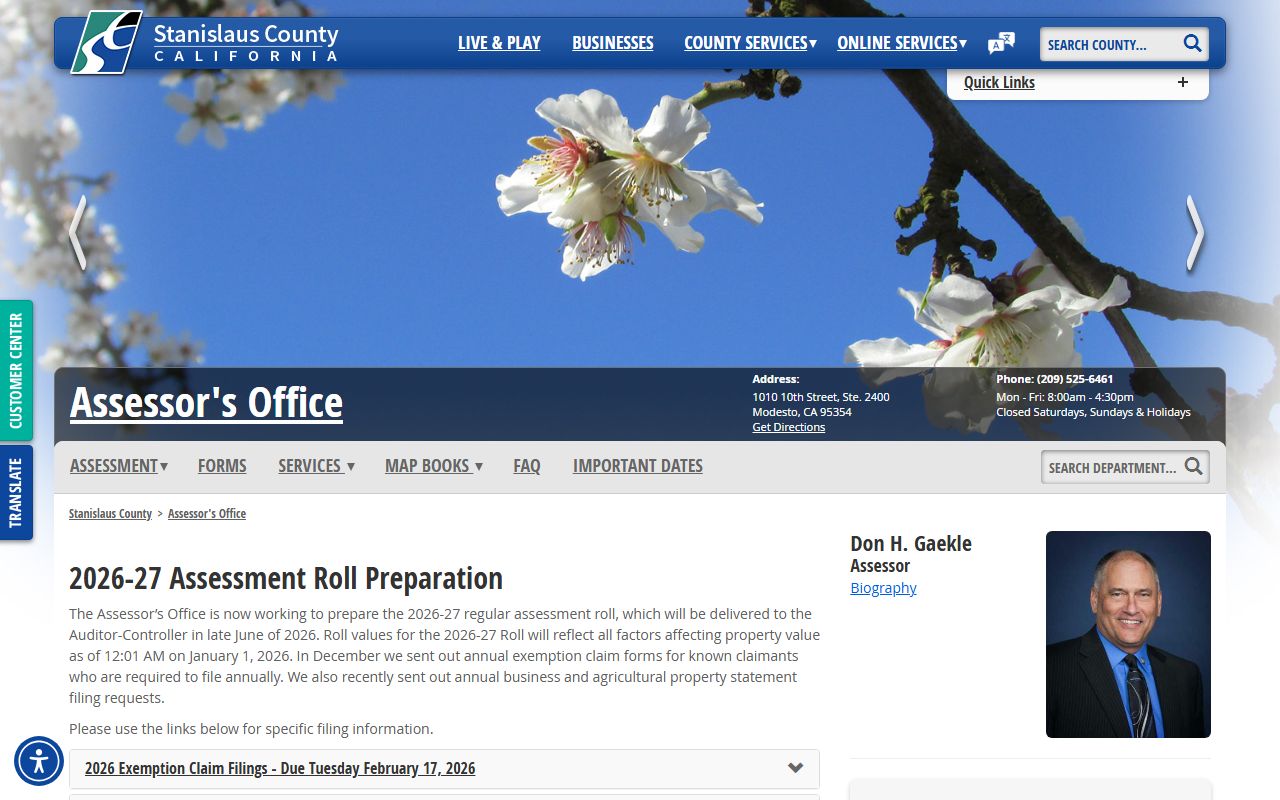
If you are not sure which department holds a record, the county homepage links the major offices, and a department can redirect a misaddressed request. Assessor data is especially useful for property research, since it ties a parcel to an owner and an assessed value. Pair it with the recorded deed at the Clerk-Recorder, and you get a fuller picture of a property's ownership history.
Public Records Request Form Fields
The county public records request form asks for a few basics plus a clear description of what you want. A specific description is the single most important field, since it helps the agency find the records fast. The table lists the main fields.
| Field Label | Type | Required | Notes |
|---|---|---|---|
| Requester name | Text | Implied | Identifies the requester. |
| Address / phone / email | Text | Implied | Contact and delivery details. |
| Department / agency | Text | No | Directs the request to a county department. |
| Description of records | Multiline text | Yes | Be specific enough to identify the records. |
| Inspection or copy method | Checkbox | No | Inspect, paper copies, or electronic copies if available. |
| Signature / date | Signature | Implied | The form references CPRA processing. |
You do not have to explain why you want a record. The law does not require a reason for most requests, and an agency should not condition release on knowing your purpose.
Fees and Response Times
Copy fees apply when you ask for copies rather than inspection. The Clerk-Recorder publishes set amounts for copies and certification, shown in the table. Inspection of records is generally free.
| Item | Amount |
|---|---|
| Copying, first page | $3.00 |
| Copying, each added page | $2.00 |
| Certification per document | $2.00 |
| Records search per file | $5.00 |
Under the CPRA, an agency responds within a set timeframe and tells you whether it will produce the records. Complex requests can take longer, and the agency should explain any delay. Fees can change, so confirm current amounts with the department. Payment is by cash, check, or money order at the Clerk-Recorder, which does not accept third-party checks. Recorded documents and certified copies carry their own fee lines that differ from plain copies, so ask which applies to your request before you pay.
Exemptions and Law Enforcement Records
Not every record is open. The CPRA includes exemptions that let an agency withhold certain writings. Law enforcement investigatory records are a major example.
The law-enforcement exemption can apply while an investigation is active and to certain investigatory records even after a case closes.
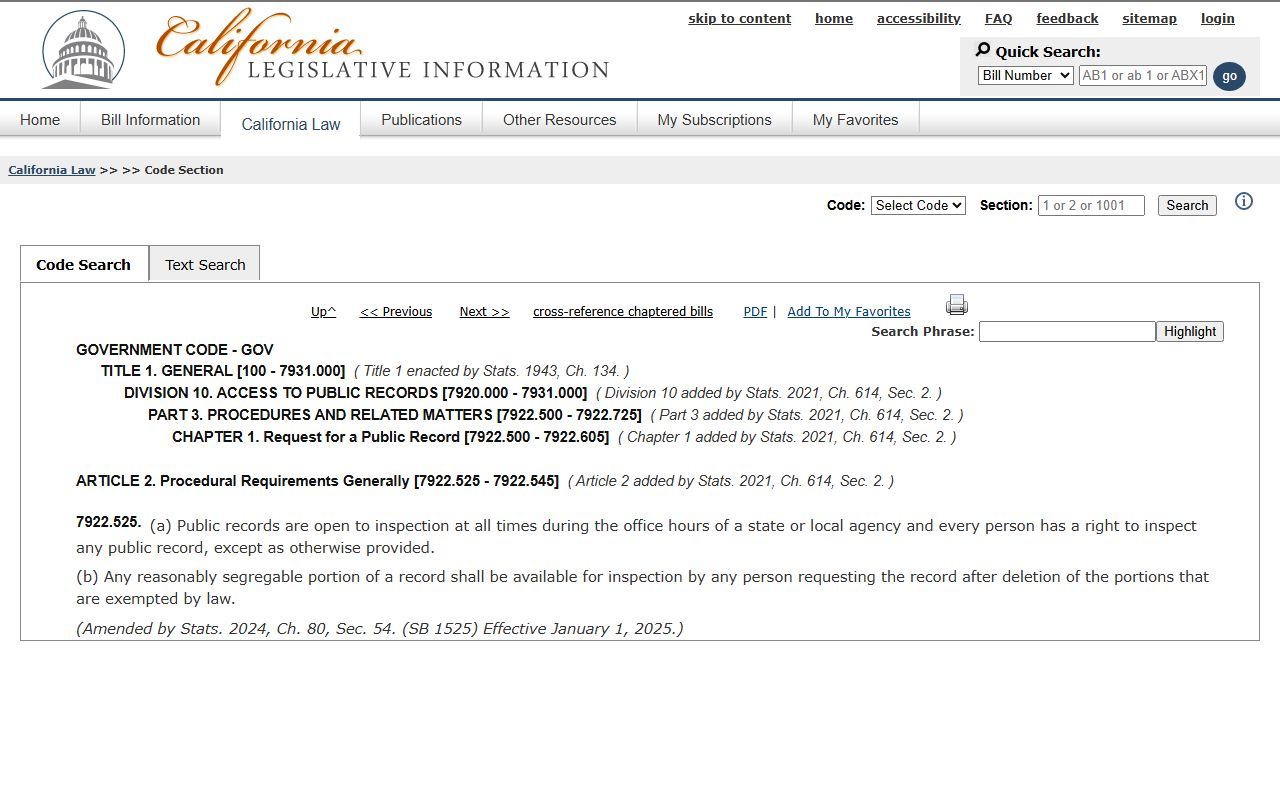
Other protected categories include personal identifying data, certain personnel matters, and records made confidential by other laws, such as juvenile and adoption files. When an agency withholds a record, it should cite the basis for the denial.
An exemption is not a blanket excuse. The agency must point to a specific basis, and it should release any part of a record that is not exempt after redacting the protected pieces. If you believe a denial is wrong, you can ask the agency to reconsider or seek review. The goal of the law is disclosure, so a denial should be the careful exception rather than the default answer.