
How to Search for Stanislaus County Warrants
The Sheriff's pages do not post a public active-warrant list. That is normal. Most warrant data lives inside a case, so the search runs through court and custody tools instead of a standalone warrant database. The two best public starting points are the Superior Court case index and the Sheriff's inmate lookup.
Use these steps to check for a Stanislaus County warrant.
- Search the Superior Court case index by case number or defendant name for public criminal and traffic cases.
- Read the docket for any warrant issued, bench warrant, or failure-to-appear entry.
- Check the Sheriff's inmate lookup to see whether the person is already in custody.
- Contact the court or an attorney to ask about a warrant calendar or a recall.
- If there is any risk of arrest, get legal advice before you go to the courthouse.
A warrant can also surface in a traffic case. For citation and failure-to-appear matters, see traffic court records.
Gather a few details before you search. The defendant's full name and rough date of birth help narrow a common name. A case number is even better, since it points straight to one docket. If you only have an old citation, the citation number can lead you to the matching traffic case. Remember that the case index is the public window here, and it shows only what the court has entered and not held back.
Why There Is No Public Warrant List
People expect a single page that lists every open warrant. Stanislaus County does not publish one, and most counties do not either. There are good reasons. A live warrant list could tip off a person before an arrest, expose sealed investigations, and sweep in juvenile matters the law protects.
So warrant data is spread across case dockets and custody records instead. That means you may need to check more than one source. A person could have a warrant in a criminal case, a traffic case, or a probation matter, and each shows up in its own file. When in doubt, the court clerk can confirm whether a warrant is active on a given case.
Types of Stanislaus County Warrants
Warrants come in several forms. Each starts with a court or judicial officer and serves a different purpose. Knowing the type helps you understand what the record means and how to clear it.
- Arrest warrant - orders police to arrest a named person for a charge.
- Bench warrant - issued by a judge, often after a missed court date.
- Failure-to-appear warrant - tied to skipping a required hearing.
- Probation violation warrant - issued when someone breaks probation terms.
- Search warrant - authorizes a search of a place or property.
Some warrants are sealed, and juvenile warrants are not public at all. Those will not appear in a public case search.
The type also shapes how serious a warrant is. A bench warrant for a missed traffic date is not the same as an arrest warrant for a felony charge. A no-bail hold is more serious than a warrant with a set bail amount. Reading the warrant type and the bail status together tells you a lot about what comes next.
What a Stanislaus County Warrant Record Shows
When a warrant appears in a public case, the docket carries a set of fields. The exact data depends on the case type and what the court has entered. The table lists the fields you may see in a warrant record.
| Field | What It Shows |
|---|---|
| Case Number | The case the warrant is tied to. |
| Defendant Name | The person named in the warrant. |
| Warrant Type | Bench, arrest, probation, failure to appear, or search. |
| Issuing Court / Judge | The court or judicial officer that issued it. |
| Date Issued | When the court ordered the warrant. |
| Charge / Violation | The underlying offense or reason. |
| Bail Status | Bail amount, or a no-bail hold. |
| Recall Date | When a warrant was quashed or resolved. |
A recall or quash entry shows the warrant was cleared. The docket may also list the next hearing after a recall.
Not all of these fields will show for every warrant. A sealed warrant may show nothing in the public view. An older case may list less detail. And because custody data and court data come from different systems, the warrant entry on a docket and the custody status on the Sheriff's roster will not always line up at the same moment. Use both, and confirm anything that matters with the clerk.
Bench Warrants and Failure to Appear
A bench warrant is one of the most common types. A judge issues it from the bench, often because a person missed a court date or did not follow a court order. The warrant stays active until the person appears, the court recalls it, or the matter is otherwise resolved.
Failure to appear has knock-on effects. In a traffic matter, it can lead to added fees, a referral to collections, and consequences for driving privileges reported to the DMV. The longer a warrant sits, the more it can complicate a case, so it is better to address it early.
A bench warrant can also be issued in a criminal case when a defendant skips a hearing or breaks a condition of release. Once it is active, any contact with law enforcement, even a routine traffic stop, can lead to an arrest on the warrant. That is why people who learn of a warrant should act quickly rather than wait and hope it goes away. It will not.
How to Resolve an Outstanding Warrant
An outstanding warrant does not fix itself. A person usually has a few options, depending on the warrant and the underlying case. The safest first step is legal advice, because some warrants carry a real risk of custody. A lawyer can sometimes appear and ask the court to recall a warrant without the client being taken into custody, though that depends on the charge and the court.
- Talk to a lawyer or the Public Defender if you cannot afford counsel.
- Ask the court or counsel to calendar the matter for a warrant recall.
- Appear in court as instructed, or surrender at the jail if directed.
- Post bail if the court allows it for that warrant.
- Follow through on the underlying case so a new warrant does not issue.
Important: Do not rely on an unofficial warrant website. If you may have a warrant, contact the court or a licensed attorney before you appear, since some warrants can lead to immediate custody.
Sealed and Juvenile Warrants
Not every warrant is public. Sealed warrants and juvenile warrants do not appear in the public case index. A search warrant may also be sealed while an investigation is active. So a clean search result does not always mean no warrant exists.
State law also limits who can access a person's full criminal history. Penal Code section 11105 controls how Department of Justice criminal offender record information is released, and that history is separate from a public court docket.
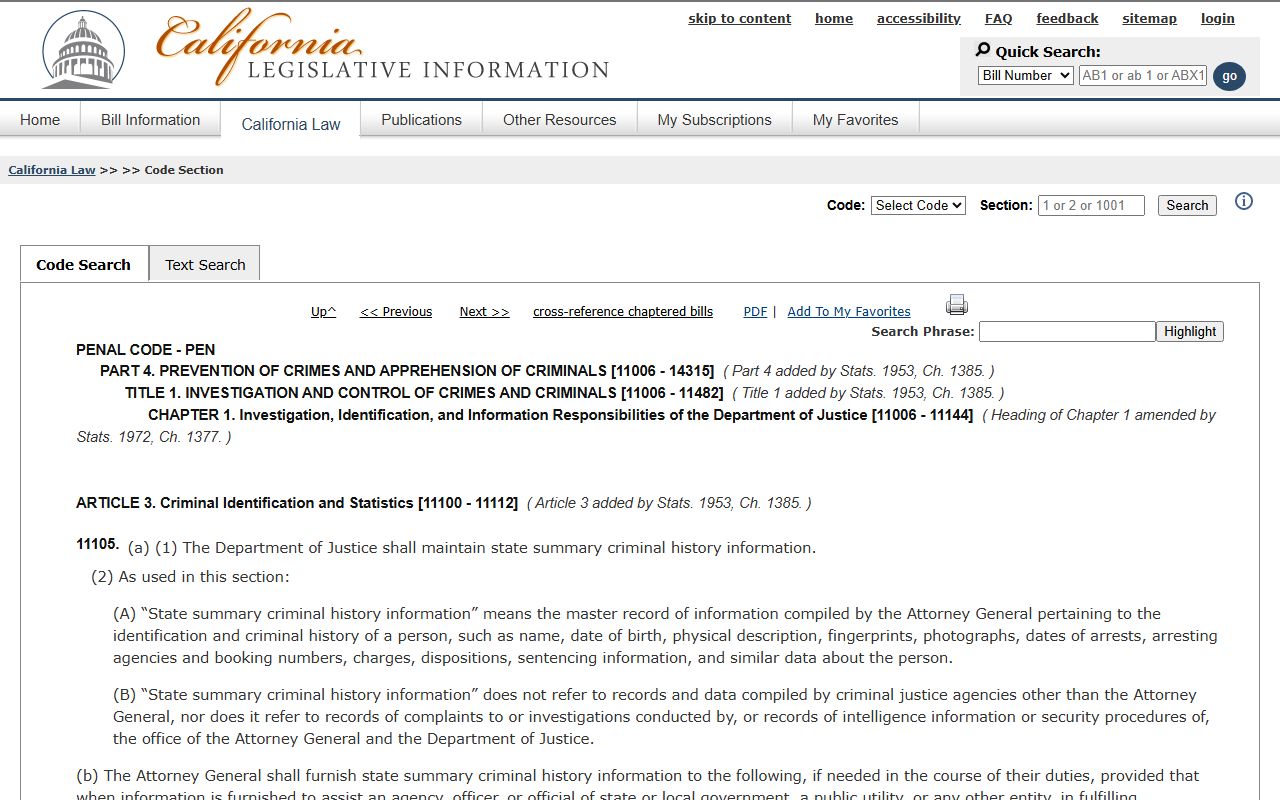
A public warrant search will not return a full state rap sheet. For that, a person follows the lawful records-access process through the state. Keep in mind that a sealed or juvenile warrant is sealed for a reason, and trying to access it through unofficial means is neither safe nor reliable. The court and the Sheriff remain the only sources you should trust for warrant status.
Clearing Arrest Records Tied to a Warrant
Sometimes a warrant and arrest end with no conviction. California offers relief in that situation. Under Penal Code section 851.8, a person found factually innocent can petition to seal and destroy the arrest record.
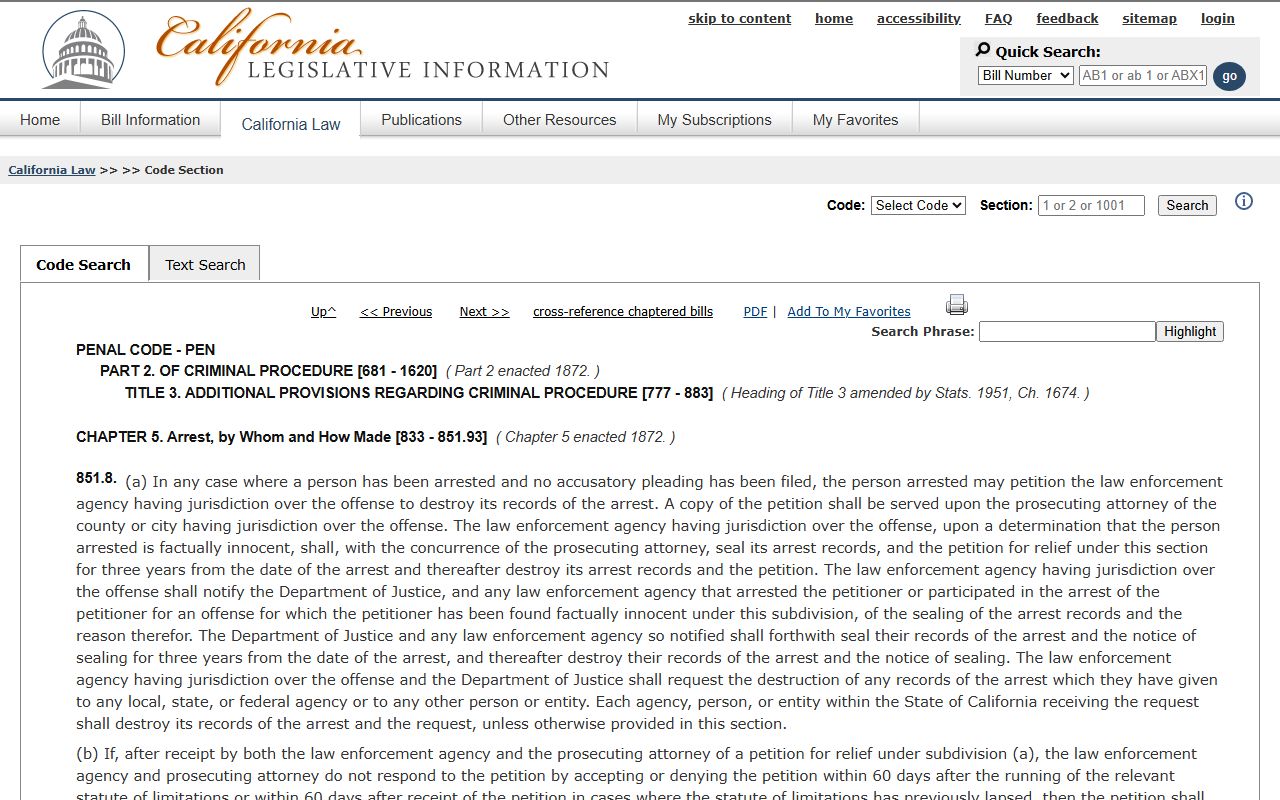
Other sealing paths exist for arrests that did not lead to a conviction. The Self-Help Center can point a person toward the right forms. To see the full set of record-clearing options, visit arrest records. Clearing a record is a separate step from resolving a warrant, so handle the active warrant first, then look at sealing once the case has ended.